
Mobile Tour vs. Pop-Up vs. Street Team: Picking the Right Format
Mobile tours, pop-ups and street teams all put a brand in front of people. They do it in different ways, and picking the wrong one is the most common reason an activation underperforms.
A mobile tour covers ground. It's the right choice when you need many markets in a few weeks and want a branded vehicle that people stop for. It costs more per stop than a street team but delivers a bigger moment.
A pop-up builds a destination. It's the right choice when you want people to spend time with the brand in one place, try the product properly, or buy on the spot.
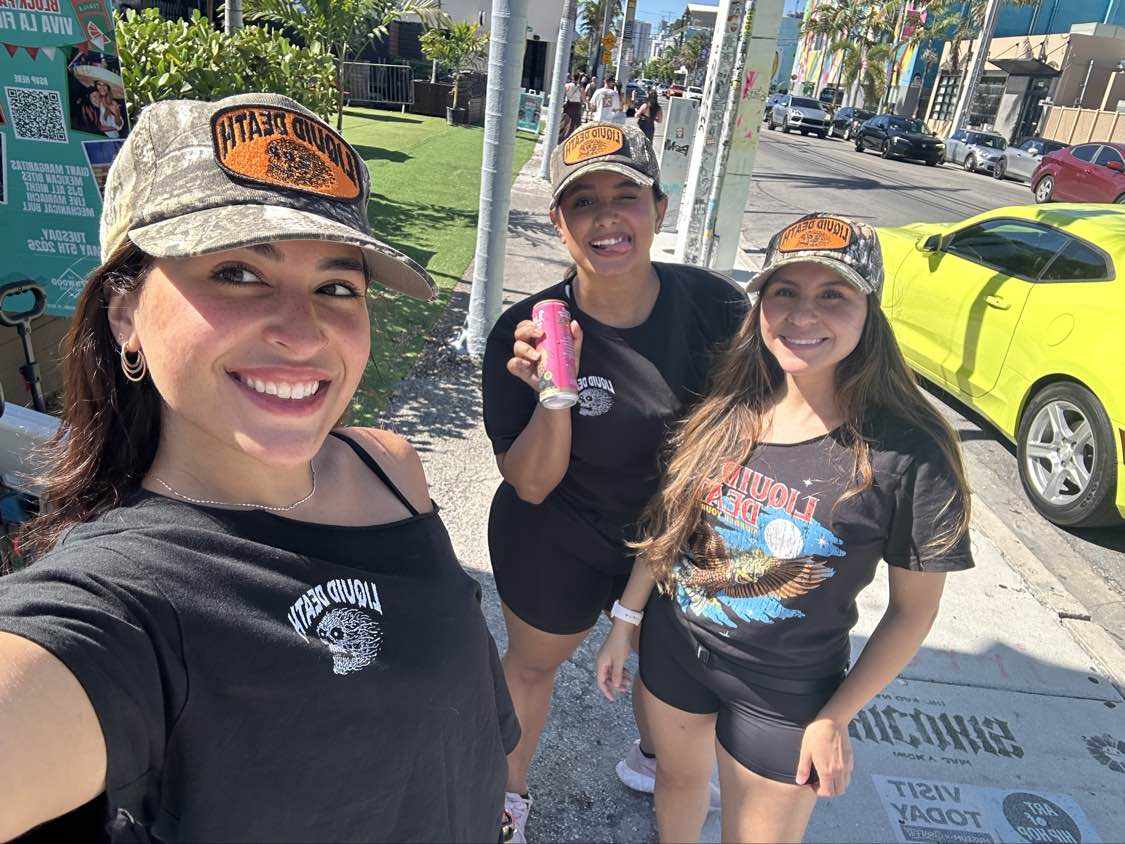
A street team goes to the people. It's the right choice for volume sampling in dense areas, around events or at high-traffic moments, with crews that move to where the crowd is. Liquid Death street teams in Miami are a good example.
Many programs combine them. A tour can carry a pop-up footprint at each stop, with a street team working the blocks around it.
Start with the goal: reach across markets, depth in one place, or volume on the street. The format follows.
Frequently asked questions
When should I choose a mobile tour?
When you need to reach many markets in a short time with a branded moment people stop for.
When is a street team better than a pop-up?
When the goal is volume sampling in dense areas or around events, with crews that move to the crowd.
Can you combine a tour, pop-up and street team?
Yes. Many programs use a tour with a pop-up footprint at each stop and a street team around it.
Keep going
About the author
Kyle Christiansen. Founder of Ignite Productions. Kyle spent 20+ years in field marketing at Red Bull, 160over90 and Amazon before building Ignite, a veteran-owned agency that has executed 5,000+ events across all 50 states.