What Drives the Cost of a 10-City Mobile Tour in 2026
A 10-city mobile tour can be a sprinter van with two ambassadors or a custom-built trailer with a full crew. The price gap between those is obvious. What's less obvious is that two tours with the same vehicle can still land far apart, because of how the route and the stops are planned.
Driver one is the vehicle. Rented and wrapped, owned and branded, or custom built. A custom build carries design and fabrication time up front, and it has to survive ten markets of loading, weather and road wear.
Driver two is the route. Route density is the single biggest lever most brands ignore. Ten cities in one region means short drives, fewer hotel nights and more selling days. Ten cities scattered across the country means drive days you pay for and can't activate on.
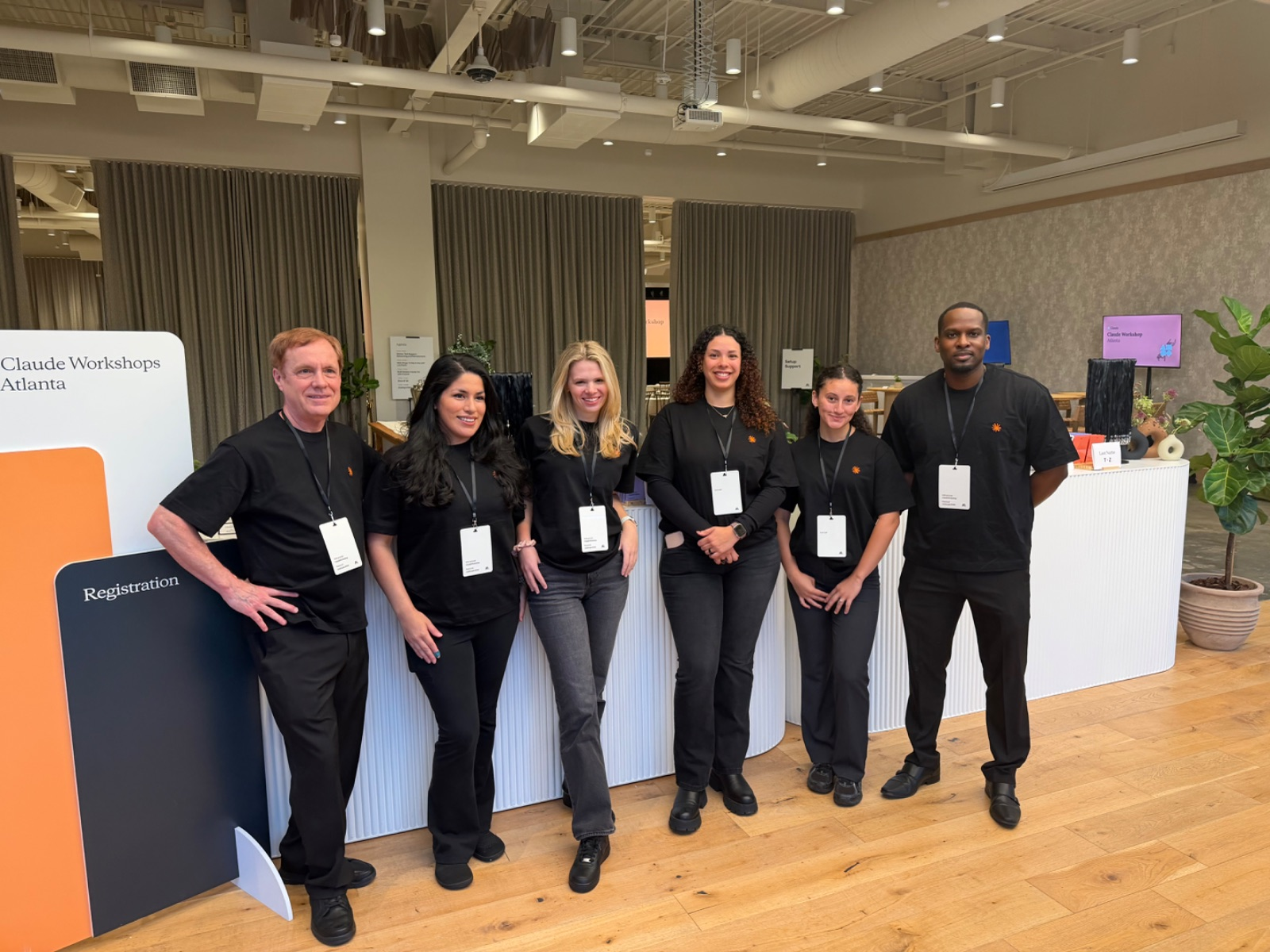
Driver three is crew per stop. Traveling crew gives you consistency. Local crew at each stop cuts travel and hotel costs and brings market knowledge. On the 12-city Claude Code workshop tour, Ignite staffed each stop with local teams, which kept the experience consistent without flying a crew across the country.
Driver four is compliance: licensed drivers, DOT rules for commercial vehicles, and insurance. Driver five is permits and stop agreements, because every city and every property has its own rules for parking a branded vehicle and handing out product.
Driver six is weather and buffer days. Outdoor tours need them. A plan that pretends every day will be sunny ends up with surprise invoices or canceled stops.
The way to keep a tour efficient is to measure each stop. We report cost per stop and results after every stop in Spark, so you can move budget toward the markets that are working while the tour is still running, not after it ends.
If you send the markets, the dates and the goal for each stop, we'll come back with a full route plan and quote within 24 hours.
Frequently asked questions
How long does a mobile marketing tour usually run?
Most run four to twelve weeks across six to twenty markets, though a single-market activation can run two weeks.
Is it cheaper to use local crew on a tour?
Often, yes. Local crews at each stop cut travel and hotel costs and bring local knowledge, while a traveling lead keeps the experience consistent.
How do you measure a mobile tour?
Track results per stop: visitors, samples, leads and cost per stop, reported after each stop so budget can shift during the tour.
Keep going
About the author
Kyle Christiansen. Founder of Ignite Productions. Kyle spent 20+ years in field marketing at Red Bull, 160over90 and Amazon before building Ignite, a veteran-owned agency that has executed 5,000+ events across all 50 states.