Trade Show Booth Design: Layouts That Win

Your Booth Layout Is Costing You Leads
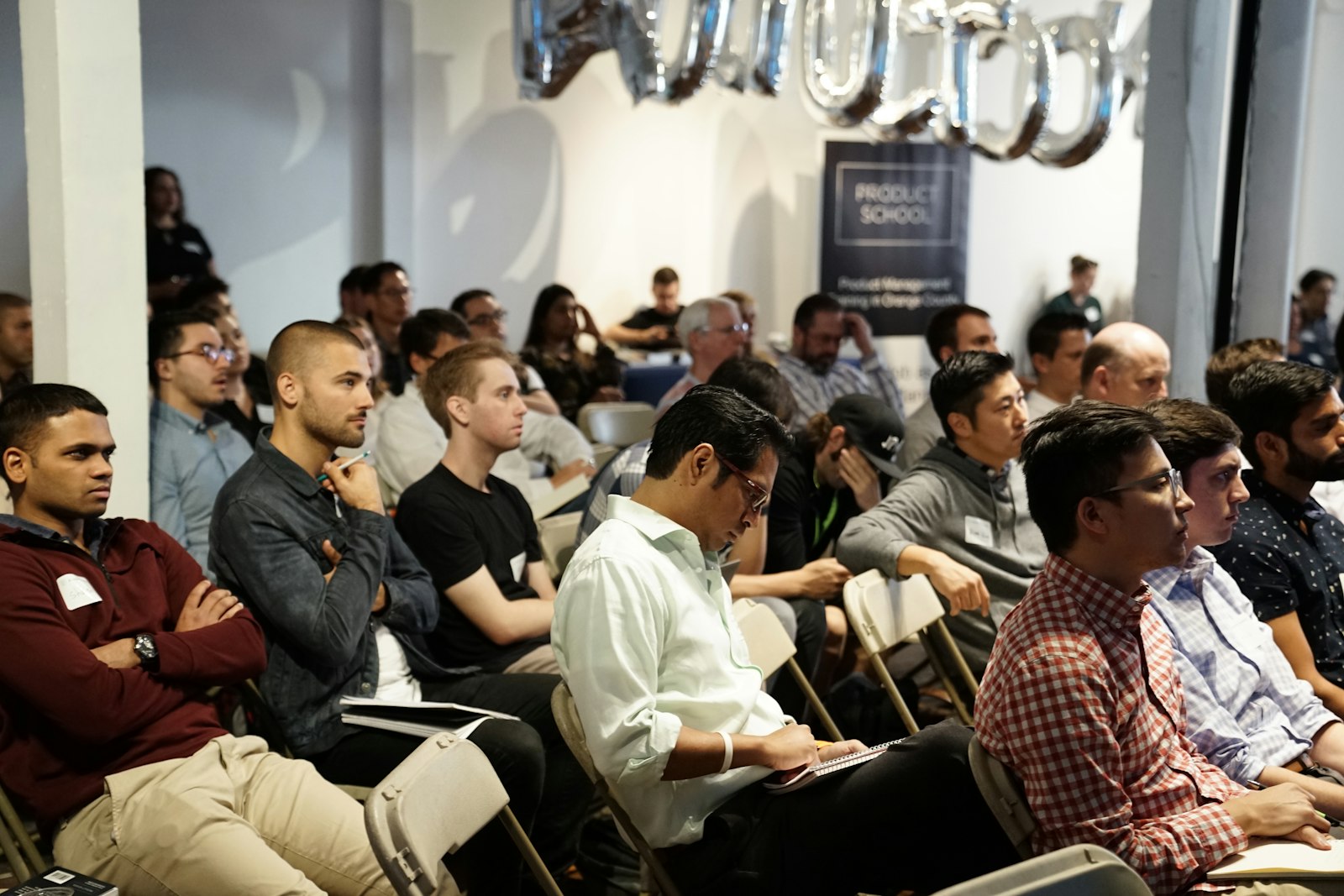
Here is a stat that should make every event marketer uncomfortable: the average trade show attendee spends 8.3 hours on the show floor and visits fewer than 30 booths. That means your booth has roughly 5 seconds to earn attention, and your layout determines whether you get those 5 seconds or get walked past like wallpaper.
Most brands obsess over graphics, swag, and staffing, and rightfully so. But the physical layout of your booth is the foundation everything else sits on. A stunning display with a terrible floor plan is like a sports car with no steering wheel. It looks great until you try to drive it somewhere.
At Ignite Productions, we have staffed and activated trade show booths in every major convention center in America. We have watched tens of thousands of attendee interactions unfold, and we can tell you with certainty: the brands winning on the trade show floor in 2026 are the ones treating booth design as a conversion system, not a decoration project.
The Psychology Behind Booth Traffic Flow
Before we get into specific layouts, you need to understand how people move through exhibition halls. Trade show foot traffic follows predictable patterns rooted in behavioral psychology, and ignoring them is the single most expensive mistake exhibitors make.
The Right-Turn Bias
Research on pedestrian movement shows that most people instinctively turn right when entering a space. If your booth sits to the right of a main entrance or aisle intersection, you have a natural traffic advantage. If it does not, your layout needs to compensate by pulling attention leftward with lighting, motion, or sound.
The 10-Foot Rule
Attendees decide whether to engage with your booth from about 10 feet away. At that distance, they are scanning for three things: relevance (does this apply to me?), accessibility (can I easily step in?), and value (is there something worth my time?). Your layout must answer all three questions before someone closes that 10-foot gap.
The Barrier Effect
Tables, counters, and display walls placed at the front of your booth create an invisible psychological barrier. Attendees interpret them as a signal that they are not welcome to enter freely. The most successful booth layouts eliminate front barriers entirely, creating an open-mouth design that invites foot traffic to flow in naturally.
Five Booth Layouts That Dominate Trade Show Floors
1. The Open Lounge
Strip away the tables. Remove the front counter. Instead, create a welcoming environment that feels more like a high-end hotel lobby than a sales station. Low seating, charging stations, a beverage bar, and conversation areas positioned throughout the space.
Why it works: Attendees are exhausted. Their feet hurt. Their phones are dying. The Open Lounge layout solves real problems, and in doing so, it earns extended dwell time. When someone sits down for 10 minutes, your brand ambassador has a genuine window for a substantive conversation instead of a 30-second elevator pitch.
Best for: 20x20 and larger island booths. Technology, SaaS, and professional services brands where deal cycles are long and relationship building matters more than volume.
Lead capture tip: Require a badge scan for the premium coffee or charging station. You collect data while delivering value, and nobody resents the exchange.
2. The Demo Theater
Dedicate 40 to 50 percent of your booth to a raised demonstration area with tiered seating or standing room. Run scheduled presentations every 30 to 45 minutes with a professional emcee or product specialist.
Why it works: Scheduled demos create crowd clusters, and crowd clusters attract more crowd. This is the bandwagon effect in action. When passersby see a group of people watching something, curiosity pulls them in. The presentation format also lets you control the narrative and deliver your full value proposition without interruption.
Best for: Hardware, manufacturing, and any product that benefits from a live demonstration. 10x20 inline booths or larger.
Lead capture tip: Close every demo with a strong call to action and a QR code on screen that links to a landing page with an exclusive show offer. Scan rates from demo audiences consistently outperform cold badge scans.
3. The Guided Journey
Design your booth as a path that attendees walk through in sequence. Each station along the path addresses a different pain point or product feature, building the story as the visitor moves deeper into the space. Think of it like a museum exhibit designed for your brand.
Why it works: It creates structure without pressure. Attendees feel in control because they are choosing to move forward at each station, but the layout ensures they absorb your full message in the right order. By the time they reach the final station, they have self-qualified and are ready for a deeper conversation.
Best for: Brands with complex products, multiple solutions, or a story that needs to unfold in stages. Works well in 20x30 and larger spaces.
Lead capture tip: Place your most compelling offer or interactive element at the end of the journey. Attendees who complete the full path are your warmest leads, so make the final touchpoint count.
4. The Activity Hub
Build your booth around a central interactive experience: a game, a challenge, a contest, a VR station, or a hands-on product trial. Everything else in the booth supports and surrounds this anchor activity.
Why it works: Interactive elements are foot traffic magnets. They give attendees a reason to stop, participate, and linger. More importantly, they create shareable moments. An attendee posting a video of your booth game to LinkedIn is worth more than a hundred brochures.
Best for: Consumer brands, CPG companies, and any exhibitor targeting a high volume of interactions. Works in booths as small as 10x10 with a creative approach.
Lead capture tip: Gate the activity behind a badge scan or short form. Gamification elements like leaderboards and prize drawings give attendees an incentive to participate and share their contact information willingly.
5. The Hybrid Hospitality Suite
Split your booth into two distinct zones: a public-facing activation area open to all attendees, and a semi-private meeting area for scheduled appointments and high-value prospects. The public zone drives volume. The private zone drives depth.
Why it works: Trade shows serve two audiences simultaneously: the broad attendee pool and your pre-scheduled VIP meetings. Trying to serve both in the same space creates friction. The Hybrid layout gives each audience its own optimized experience.
Best for: Enterprise B2B brands running account-based marketing strategies alongside brand awareness goals. Requires at least a 20x20 space to execute well.
Lead capture tip: Staff the public zone with high-energy brand ambassadors focused on volume engagement. Staff the private zone with senior sales reps focused on deal advancement. Different zones, different objectives, different talent.
The Staffing Factor: Why Layout and People Must Work Together
A brilliant booth layout with the wrong staffing plan is a wasted investment. Your layout dictates where ambassadors should be positioned, how they should engage, and what their primary objective is at each station.
At Ignite Productions, we brief every trade show team on the specific layout strategy before the show opens. Ambassadors know their zones, their roles, and their metrics. A greeter at the booth entrance has a different job than a product specialist at the demo station or a closer in the meeting area. When layout and staffing are aligned, conversion rates climb.
With 257,000+ brand ambassadors across all 50 states, Ignite can deploy trade show teams of any size, trained on your specific booth layout and brand messaging. Our veteran-owned operations team runs every deployment with military-grade precision, because trade show floors are too expensive for anything less. Explore our case studies to see how we have activated booths for brands across every major industry.
Common Layout Mistakes That Bleed ROI
Cluttering the entrance. If attendees cannot see into your booth from the aisle, they will not enter. Keep the first three feet of your space open and inviting.
Hiding the value proposition. Your booth should communicate what you do and why it matters within 3 seconds from 10 feet away. If your header graphic requires reading a paragraph, redesign it.
Ignoring traffic flow data. After day one, review foot traffic patterns and adjust. Move your highest-performing element to your highest-traffic corner. Rotate staff positions based on where engagement is strongest. Use Spark, our proprietary reporting platform, to track real-time engagement data and make mid-show pivots that competitors miss.
Over-investing in walls, under-investing in experience. Attendees do not remember your walls. They remember how your booth made them feel, what they learned, and whether the conversation was worth their time. Shift budget from structural elements to experiential ones.
Static displays in a dynamic environment. Trade show floors are loud, bright, and overwhelming. Static displays disappear. Motion, video, live demos, and human energy are what cut through the noise. Build movement into your layout plan.
Designing for Data: The Measurement Layer
Every layout decision should serve a measurement goal. Where you place your lead capture stations, how you route traffic, and where you position your highest-value interactions all affect the data you collect and the story that data tells.
Before the show, map your layout against your KPIs. If your goal is lead volume, design wide entry points and multiple low-friction capture moments. If your goal is lead quality, create a funnel that progressively qualifies visitors as they move deeper into the space. If your goal is meetings booked, build a clear pathway from public engagement to private conversation.
The brands that treat booth design as a measurement system, not just an aesthetic exercise, are the ones that walk away from every trade show with actionable intelligence and a clear ROI story.
Ready to Design a Booth That Dominates?
Your next trade show is too important for guesswork. The brands that consistently outperform on the exhibition floor are the ones that align booth design, staffing strategy, and real-time data into a single conversion engine.
Ignite Productions is a veteran-owned, nationwide event staffing and brand ambassador agency that has activated booths at every major trade show in America. From staffing strategy to on-floor execution to post-show analytics through our Spark platform, we are built to help you capture more leads, close more deals, and dominate the trade show floor.
Contact Ignite Productions today to start planning your next trade show activation. Let us fuel a booth experience that your competitors wish they had built first.